-
 Lovers, 1985
 -
Untitled portrait, 1974-1978
-
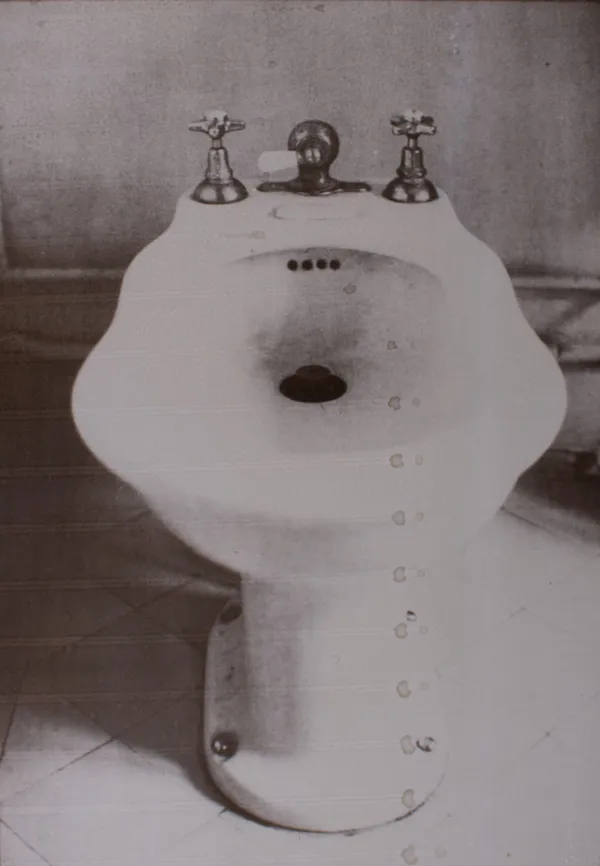
Bidet 1, 1974-1975
-
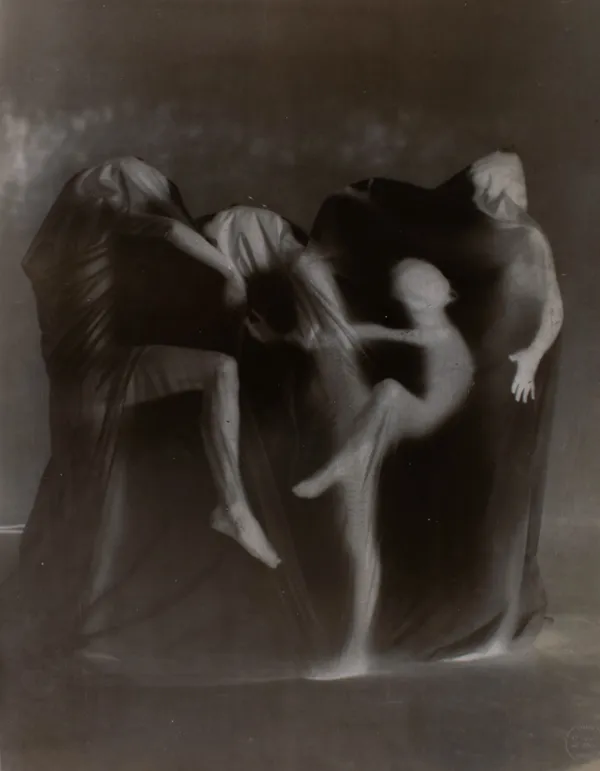
Cavallo and Poussine, 1973
-
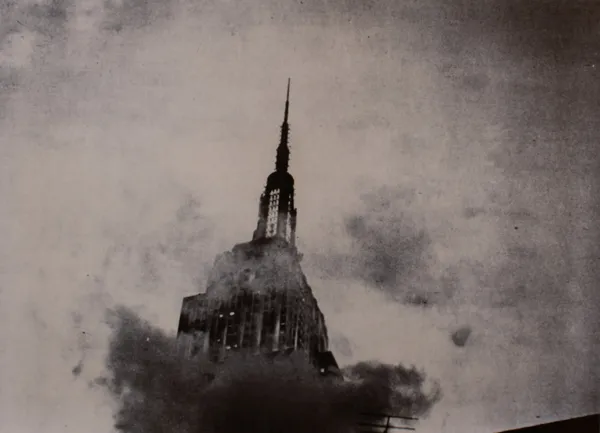
New York, 1970-1979
-
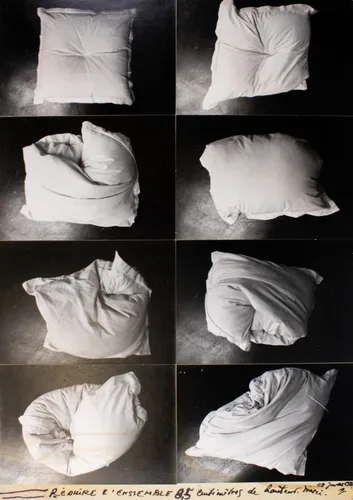
Untitled, 1970-1978



Charles Matton (b. Paris, France, 1931; d. Paris, France, 2008) was a multidisciplinary artist working as a painter, sculptor, designer, writer, photographer, filmmaker and screenwriter. A well known and active presence in postwar Paris, he occupied a central place within the city’s artistic and intellectual circles.
Matton briefly exhibited in Parisian galleries in the 1950s before withdrawing from the public art world for some two decades. During this period, he worked as an illustrator for Esquire magazine and other publications, while continuing his artistic practice away from the spotlight. In 1983, another Parisian giant of publishing, curating and film producing - Robert Delpire - presented Matton’s first solo exhibition in over twenty years, Utopian Seductions, marking a decisive return to the forefront of the art scene.
Charles Matton, Cavallo and Poussine, 1973From the mid-1980s, Matton developed the small-scale architectural constructions he referred to as his emboîtements: highly detailed, hand-built interior spaces contained within vitrines, often placed high on stilts to be eye-line with the viewer. These meticulous and fascinating creations included reconstructions of Francis Bacon’s Studio, Anna Freud’s Room and William Burroughs’ Room in Tangier, as well as libraries
dedicated to Jorge Luis Borges, Georges Perec and Marcel Proust. Matton also created imagined interiors such as hotel lobbies, collectors’ bedrooms, sculptors’ studios and contemporary lofts. Each environment was constructed at precise scale using wood, plaster, resin, textiles, glass and mirror, with every surface fabricated and painted by hand.
Photography entered Matton’s practice in 1962, when he discovered the photostat process, whilst working as a press illustrator. He went on to produce a significant amount of photostats, many of which he later destroyed. The process translated images into stark contrasting prints, reducing detail, simplifying tonal values and altering the light of the original photograph. Colour images, once treated in this way, acquired a sharper and more direct quality, while scale, grain and exposure significantly shaped the final result. The photostat became an integral and sustained element of his photographic work.
Matton continued to work extensively in photography over several decades, producing portraits and other images while experimenting with light, exposure and development. Photography remained an essential and independent medium within his practice.
Françoise Sagan wrote of his work: “I am not talking here about pure beauty, or the powerful charm of Charles Matton’s paintings and objects. I am talking about something else - about that derisory, confusing yet warm secret that is our existence as reflected in Matton’s canvases. I am talking about the strange act of sacrilege he makes us commit at the same time as this act of faith, I am talking about the affection he visibly demands from those around him, which allows us, once surrounded by his works, to better withstand the frightening disorder, down to the last millimetre, of what our existence generally is.”
His work has been exhibited worldwide at venues including Palais de Tokyo, Paris; AVA Gallery, London, Michael Haas Gallery, Berlin; Museum of Arts and Design, New York; Städtische Museen, Germany; CAFA Art Museum, Beijing; and Forum Gallery, New York and Los Angeles. In 2007, the Maison Européenne de la Photographie in Paris devoted a major exhibition to his work.
Matton’s work is held in major public collections including the National Museum of Modern Art, Kyoto; the National Museum of Modern Art, Tokyo; the Maison Européenne de la Photographie, Paris; the Bibliothèque nationale de France, Paris; the Me Collection, Berlin.